Twin World Bank funded consultancies launched to lift visitor spend, sharpen the island’s global story and chart the sector’s course to 2031
Sri Lanka’s visitor numbers are back but the money isn’t. That is the challenge at the heart of two major consultancy projects launched last week under the World Bank’s Grant Facility for Project Preparation (GFPP), backed by a total grant allocation of US$1 million, which together will define the island’s tourism strategy and global marketing direction through 2031.
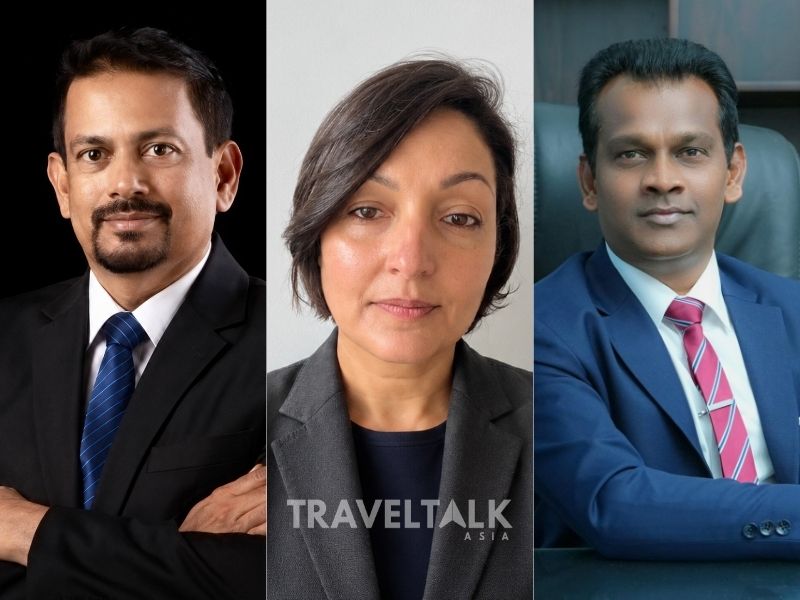
In 2025, Sri Lanka welcomed approximately 2.36 million visitors, surpassing the 2018 benchmark year. Yet earnings came in at around US$3.2 billion, with average spend per tourist still significantly below 2018 levels, according to Malraj Kiriella, local team leader of the strategic planning consultancy. The new national roadmap, he said, will focus on increasing visitor spending, encouraging longer stays, and spreading the economic benefits of tourism across all nine provinces.
A national blueprint for 2026–2031
The National Tourism Strategic Planning Consultancy (2026–2031) has been awarded to a joint venture between Spain’s Aninver Development Partners and Sri Lanka’s EML Consultants PLC. Over a 24-week programme including stakeholder co-creation workshops in October and validation sessions in January, the consultancy will deliver a comprehensive strategic framework covering demand and supply analysis, investment needs assessment, regulatory and institutional review, skills development, marketing strategy, and a national implementation road map.
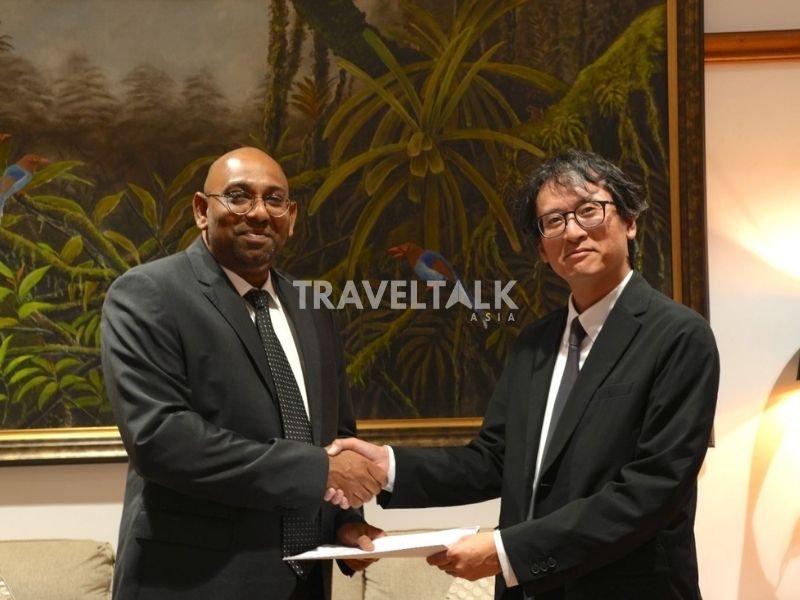
Launching the initiatives at the Sri Lanka Institute of Tourism and Hotel Management (SLITHM), Prof. Ruwan Ranasinghe, Deputy Minister of Foreign Affairs, Foreign Employment and Tourism, said the plan will form the backbone of Sri Lanka’s tourism strategy for the next five years aligning provincial priorities with national policy, unlocking investment, and strengthening institutional capacity.
José de la Maza, Managing Director of Aninver Development Partners, set the tone for the industry conversation ahead, urging a “focus on yield, not on number of visitors.” He emphasised creating distinctive travel products, supporting local small businesses, and minimising economic leakages, growth in arrivals is welcome, he argued, but it should no longer be the sector’s headline priority.
Telling Sri Lanka’s story to the world
Running in parallel, the Global Destination Communication Campaign Road Map Consultancy led by US-based travel intelligence firm Skift Inc. with MTI Consulting of Sri Lanka will craft a five-year global promotional campaign strategy underpinned by market intelligence, creative direction, and a robust campaign management blueprint.
The roadmap will seek to sharpen Sri Lanka’s destination positioning, diversify source markets, and develop targeted campaigns aimed squarely at higher-spending visitor segments modernising the island’s global messaging so it is insight-driven, internationally benchmarked, and true to Sri Lanka’s authentic identity.
The World Bank’s Lead Private Sector Specialist for South Asia, Natasha Kapil, underlined why data sits at the centre of the exercise, noting that the island has seen a major shift in the types of tourists arriving, evolution the new strategy must be equipped to read and respond to.
Why it matters for the trade
For hoteliers, DMCs, airlines, and travel marketers, the significance is twofold. First, the pivot from volume to value signals where product development, investment, and promotion will be directed towards experiences and segments that lift spend per visitor and lengthen stays. Second, the promise of a unified, well-resourced global campaign answers years of industry calls for consistent destination branding.
Prof. Ranasinghe described the two consultancies as a coordinated, forward-looking effort to transform tourism into a high-value economic pillar, strengthening governance, attracting investment, enhancing institutional capacity, diversifying markets, and elevating Sri Lanka’s global visibility.
With workshops beginning in October and validation due in January, the industry will not have long to wait before the shape of Sri Lanka’s next tourism chapter becomes clear. The message from the launch, however, is already unmistakable: the era of counting heads is over. The era of counting value has begun.